Radares Mirando al Sur

Fundamentos, Tecnologías, Aplicaciones, Historia y Memoria

Etiqueta: TDWR

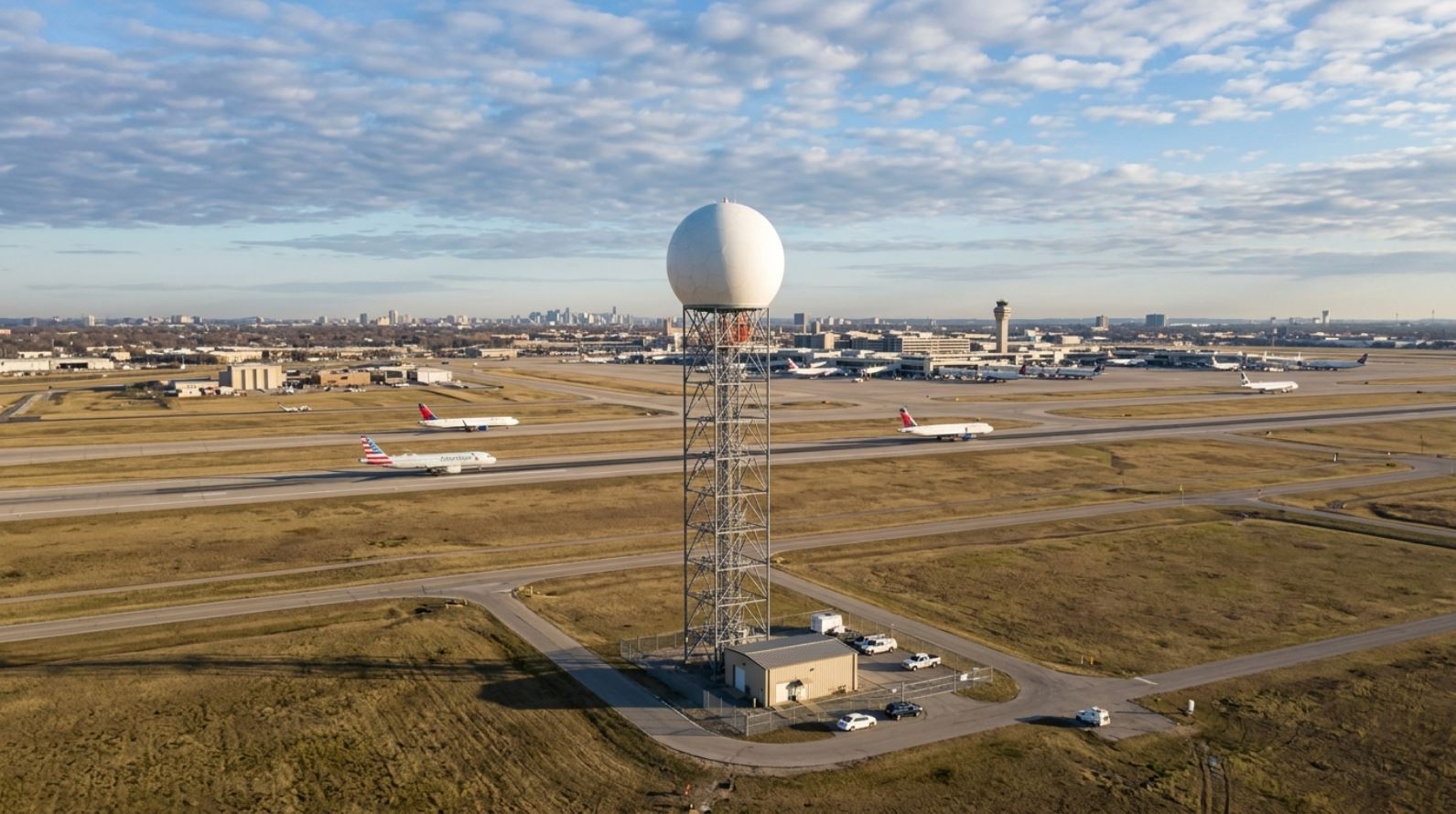
  • Where Should a Weather Radar Be Located to Serve an Airport?

    Where Should a Weather Radar Be Located to Serve an Airport?

    Post about optimal sitting of a weather radar to serve airport. Spanish version here.

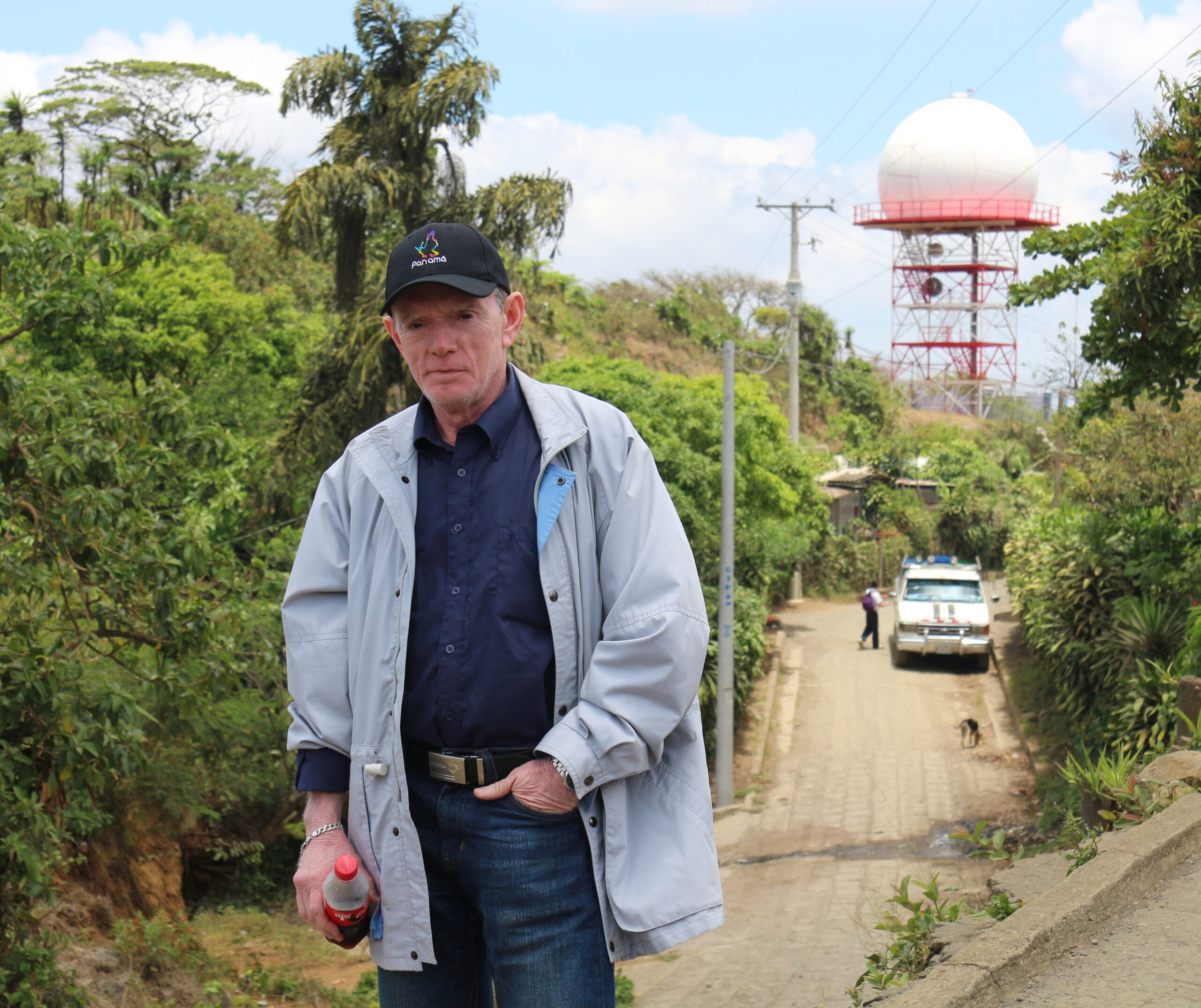
    I have been involved in the siting of several radars in my life. It all began with the MRL-5 radar, the first of its type to enter Cuba, with which we began our working life together. Although I was already a certified expert on MRL-5 radars, in 1986 the Casa Blanca one was installed, at the headquarters of the Institute of Meteorology itself; but I had no involvement in selecting the site. For a long time it was debated whether the Camagüey radar, which was at the Meteorological Center, should be raised by making a small hill right there or by constructing a small structure to elevate it; but it was not until 1997 that it was reinstalled in a fully automatic version (MRL-5M) at Loma de la Mula. In 2005 I took part in selecting the location and installation of the METEOR-1500S radar at Loma El Paraíso in Holguín. Seven years later, in 2012, we moved the Camagüey radar back to the Meteorological Center, turning it into the RD-200SX Radar, prototype of the Cuban Doppler Weather Radar. Finally, I was involved in installing the METEOR-735C radar in Las Nubes, Nicaragua. In none of the cases was an optimal installation with respect to an airport sought; decisions were made on purely logistical criteria. Nevertheless, over the years I collected everything related to selecting the site of a weather radar (especially Doppler radars) to provide services to an airport for detecting meteorological phenomena that generate adverse factors for air navigation. If my indulgent reader allows, I will share these criteria.

    ICAO or WMO may have written suggestions on the location of a weather radar to serve an airport; but I have not found them. Everything I have been able to collect comes from the U.S. Federal Aviation Administration (FAA) and here I present it. Let us begin with some essential definitions.

    (más…)
  • NEXRAD, los contratistas

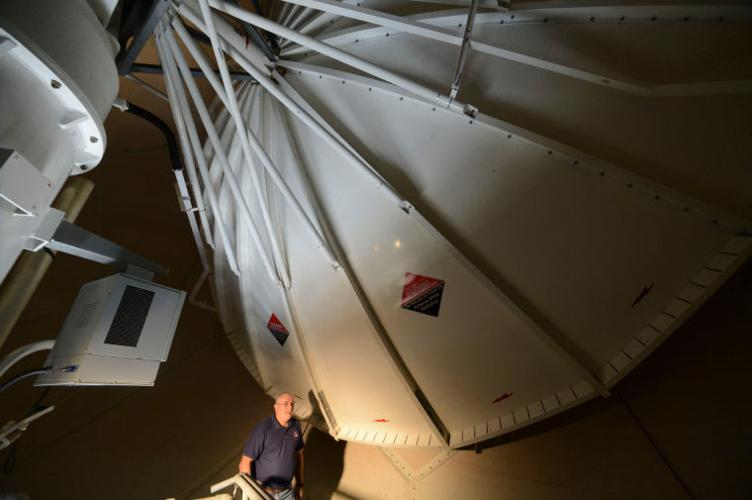
    Hoy en día, tres grandes fabricantes de radares se disputan cualquier contrato para la fabricación de radares meteorológicos, ellos son EEC, Leonardo (antes SELEX, antes Gematronik) y Vaisala (que no fabricaba radares en esa época). Sin embargo, los 159 radares WSR-88D no fueron fabricados (y luego mantenidos) por ninguno de estos reputados fabricantes (que había otros muchos en 1988 cuando le concedieron el contrato del NEXRAD). Cabe aquí preguntarse ¿por qué ninguno de ellos fue convocado? pero no es el tema de este post. Aquí voy a hablarles del azaroso camino que ha tenido la «paternidad» de estos radares y sobre todo, algo curioso: su sostenibilidad a lo largo de más de 37 años de vida que tiene este proyecto.

    (más…)
  • Comparación de las señales de un tornado, visto por un NEXRAD y por un TDWR

    Publicado originalmente en blog.wdtinc.com .

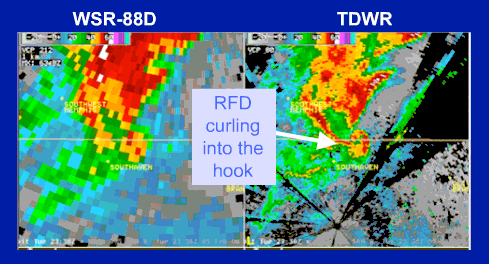
    El 21 de octubre, un tornado se formó al suroeste de Oklahoma City, cerca de Goldsby, y causó daños en un casino. Tanto un radar NEXRAD como un radar meteorológico Doppler terminal (TDWR) en la zona, detectaron la tormenta, pero hay algunas diferencias notables en las imágenes de radar de cada uno.

    (más…)
  • Aeropuertos: escudos contra los meteoros

    Aeropuertos: escudos contra los meteoros

    En la actualidad. para la detección de la cizalladura del viento a bajo nivel en las pistas de los aeropuertos se usan 1) radares meteorológicos para uso específico del aeropuerto (específicos por su ubicación y su régimen de exploración), 2) radares primarios con canal meteorológico y 3) sistemas de anemómetros en la pista. Con el uso de estos tres sistemas los accidentes a causa de la cizalladura se redujeron casi a cero. Como es lógico a la Administración Federal de la Aviación (FAA por sus siglas en inglés) le interesó conocer cuán bien (cuán eficazmente) nos permiten estos sistemas detectar la cizalladura del viento a bajo nivel y supongo que a mis lectores, relacionados con la aviación y la meteorología, también les interese. A eso le dedico este post.

    (más…)