Radares Mirando al Sur

Fundamentos, Tecnologías, Aplicaciones, Historia y Memoria

Etiqueta: wind shear

  • Where Should a Weather Radar Be Located for General Meteorological Service?

    Where Should a Weather Radar Be Located for General Meteorological Service?

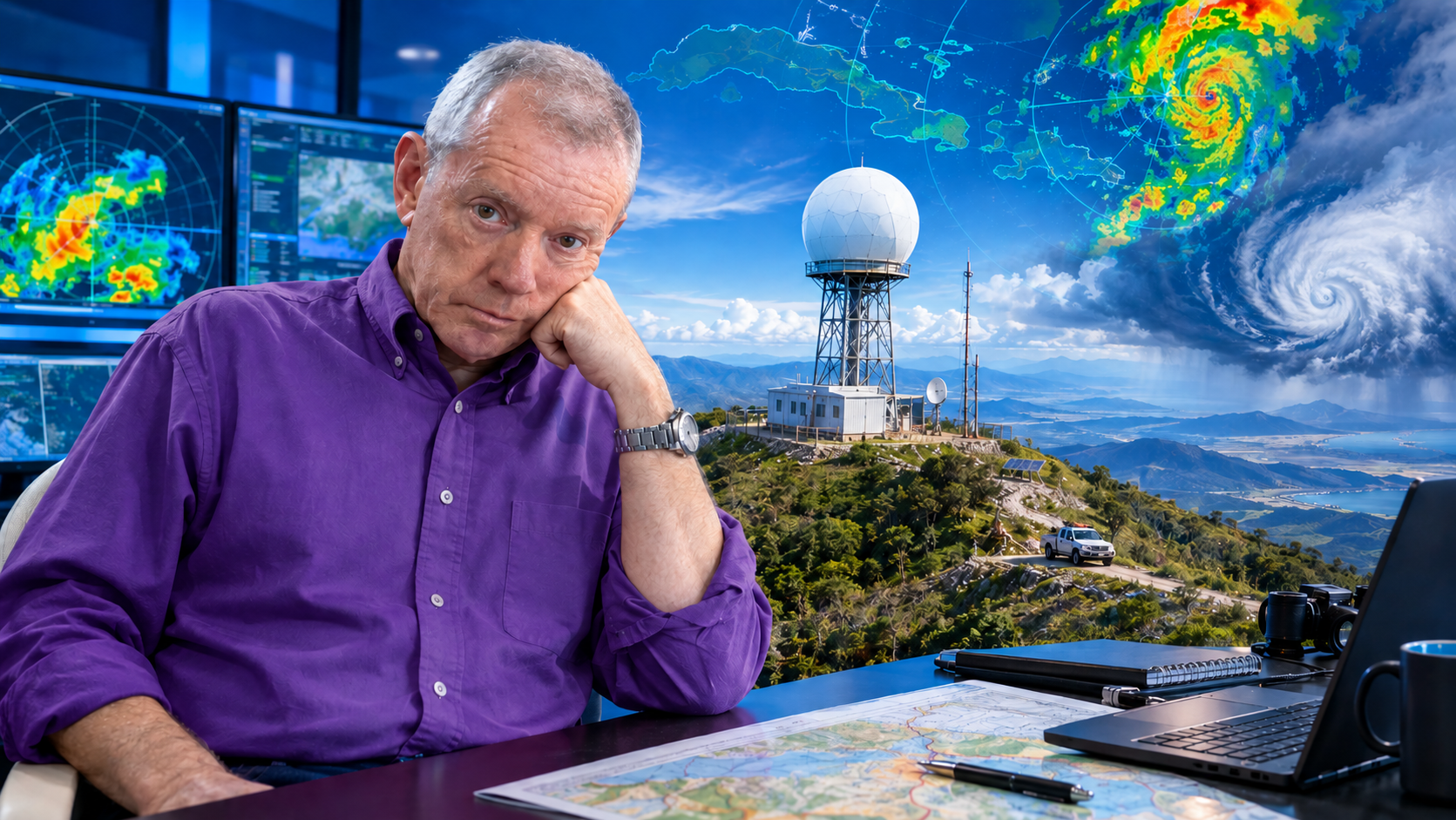
    If in the previous article I addressed the siting of a radar to serve an airport, now I want to broaden the range and talk about the siting of a weather radar for general meteorological service. The fundamental difference is that, while in the airport case the goal is to detect hazardous phenomena during takeoff and landing—wind shear, microbursts, gust fronts—in general meteorological service the goal is continuous surveillance of the atmosphere over a broad territory: precipitation, severe storms, tropical cyclones, hail, and in general all phenomena that affect the population and the economy.

    I have been involved in the siting and installation of several radars throughout my life. And if I have learned anything, it is that the order of the factors does alter the product. In my experience, one must begin with logistically accessible sites. Starting by looking for locations on very high peaks with panoramic views is pointless if they later turn out to be places where logistics—roads, redundant communications, electric power—would be prohibitively expensive or impossible to sustain. Once you have logistically plausible sites, then you review visibility with DEM/LOS models and decide how to complement with other radars and of what type. And above all, the operating band, which is what decides the price.

    Allow me to share what I have gathered on these criteria, in a manner analogous to what I did for the airport case.

    (más…)
  • La cizalladura del viento, el enemigo mortal de la aviación

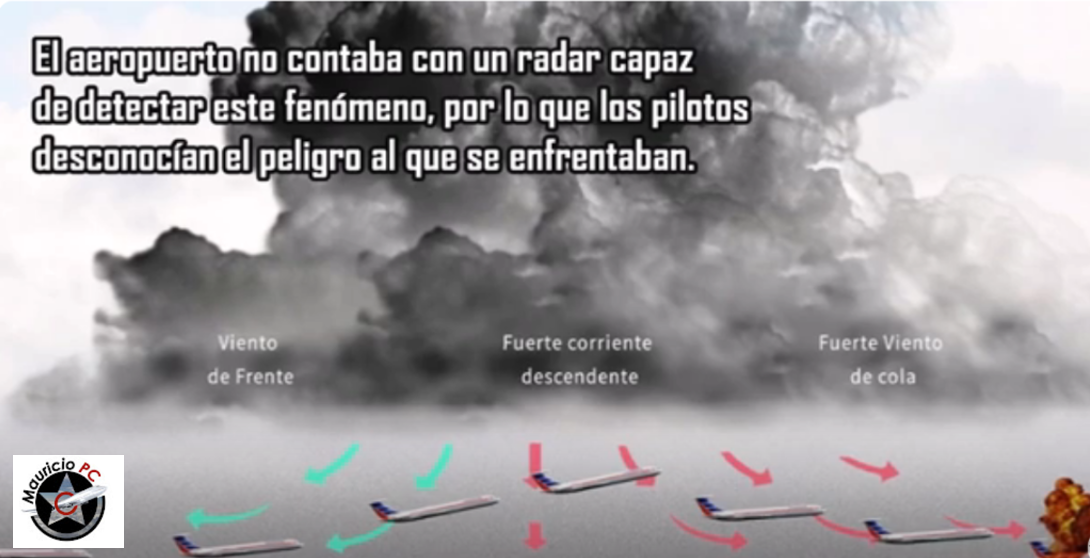
    Imagen tomada del video: «El Piloto que Desafió a la Tormenta – Vuelo 9046 de Cubana de Aviación» por Mauricio PC. https://www.youtube.com/watch?v=gTVyzy2HReI

    Habiendo transcurrido toda mi vida laboral en el Centro Meteorológico de Camagüey, cuyas dependencias ocupan un rectángulo pequeño dentro de los predios del aeropuerto internacional Ignacio Agramonte y habiendo viajado muchísimos años de la casa al trabajo y del trabajo a la casa en el transporte de los trabajadores de este aeropuerto, pues es natural que uno se vaya permeando de las terminologías usadas en este gremio. Un “villano” muy mencionado en ese ambiente siempre me intrigó: el «güinchíar» oía decir yo. Para remachar, el accidente del vuelo 9046 de Cubana de Aviación del 3 de septiembre de 1989 en el que se estrelló un IL-62M en Boyeros, convirtió al susodicho «güinchíar» en una especie de enemigo personal y me hizo buscar toda la información sobre este tipo de factor meteorológico que tan desastrosos efectos puede tener sobre la aviación. Me tracé el propósito de hacer todo lo posible por combatirlo (obviamente por medio del radar meteorológico); pero me quedé, digamos que a medio camino. Haber contribuido al desarrollo del Radar Meteorológico Cubano (Doppler) es solo una faceta del asunto, hacerlo que pelee contra la cizalladura del viento a favor de la aviación ya es un asunto más complicado, que siempre estuvo fuera de mi alcance. No obstante, alguna información logré recopilar sobre este fenómeno y si mi amable lector tiene paciencia y sigue leyendo, se la comparto, tal vez alguien tome el batón y continúe la carrera de relevos.

    (más…)