1. How I got in touch with MRL-5
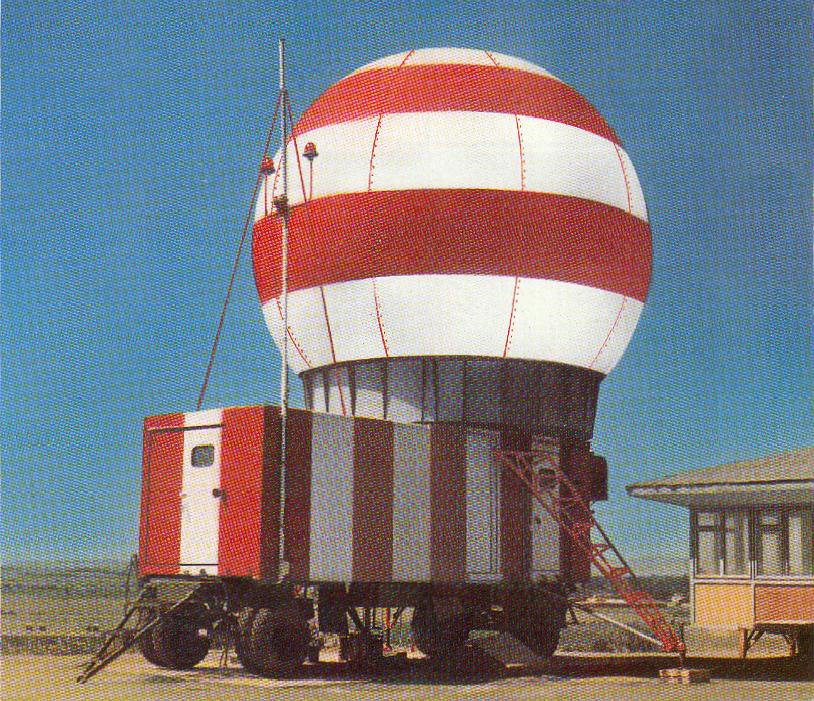
Once upon the times there was a radar named MRL-5 (МРЛ-5 in Russian). Believe you, my dear and incredulous reader, or not, my whole professional and personal life has turned around this radar all the time, until now. The first MRL-5 deployed in Cuba was given to me as my “26 years old birthday gift” on December 16, 1981, when I had just one month of “experience” as a worker. My Boss (Dr. Braulio Lapinel) said—»you ARE and WILL BE FOREVER the ENGINEER” of this MRL-5 radar, so, go and sign all the acceptance papers in the name of Cuban Meteorological Institute. I was proud of being named engineer, but I was reluctant of doing what he wanted me to do.
At this instance, just for the reader´s knowledge, I must state that I argued that I was graduated a few months before, in the especialty of Automatic, Telemechanics and Communication for the Raildroads, which had nothing in common with radars. I also must state, for the sake of justice, that my Boss added – yes, but you were graduated Summa Cum Laude, so that must be enough to understand this radar and whatever any other technical stuff will appear. In other words, just between the reader and me, I was unenthusiastic because I knew nothing about MRL-5 radars, and more generally speaking, I knew nothing about any kind of radar, and even more generally…I knew nothing about anything. Ending my working life (yes, I promise myself that I won´t be at work after 2037 year) seems to be that my Boss was right..in all. Well, as always, I digress, it´s not about myself that I want to talk, but about MRL-5 radar.
Since the ends of the seventies, there was working in Cuba the so-called Soviet Cuban Joint Laboratory (SCJL) intended for tropical meteorology studies and precipitation enhancement initiative. That was a joint program between Soviet Hydro-Meteorological Service (Soviet State Committee on Hydro-Meteorology and Environment) and Cuban Meteorological Institute. In 1981, it was decided by SCJL to deploy a MRL-5 radar in Camagüey to join the old ARS-3 (revamped by the brilliant soviet engineer Roman P. Tychina between 1979 and 1980) to conduct seeding experiments in the Camagüey area, and to estimate precipitation for evaluating purposes. SCJL had charged all radars stuffs to Soviet Central Aerological Observatory (, so they sent the very good theoretician Dr. Valentin N. Gubarchuk together with the talented technician Sergei P. Belikov to sign papers of Site Acceptance Test (and more importantly, to check everything).
2. How MRL-5 radar got done
The conception
In fact, history of MRL-5 radars began many years before I joined Meteorology. It was originated (as the human mankind) in the Caucasus, at the High Mountain Geophysical Institute (Высокогорный Геофизичесткий Институт, in Russian). This institute has its headquarter in the city of Nalchik, capital of Kabardian-Balkarian Republic. In this region live two nationalities: Kabardian and Balkarian people. Being a Cuban man, where people from very different races conform only one nationality, it was very interesting to me to see that there are Kabardian schools and Balkarian schools, Kabardian restaurants and Balkarian restaurants, Kabardian institutions and Balkarian institutions … and so on. In High Mountain Geophysical Institute work mostly Balkarian.
Well I digress, let continue. The history of MRL-5 is, in few words, as follows: At the beginning of the sixties Professor Sulakvilidze developed a method for hail suppression by seeding hail clouds with crystallizing agents. For the detection of hail, there was an innovative idea to use signals reflected from hail (radio signal sent and received in two wavelengths at the same time). In the middle of the sixties, Dr. Magomed T. Abshaev, invented, and tested practically, a method of detecting hail focus by using two synchronized radars (one working at the wavelength of 3 cm, and the other working in the wavelength of 10 cm).
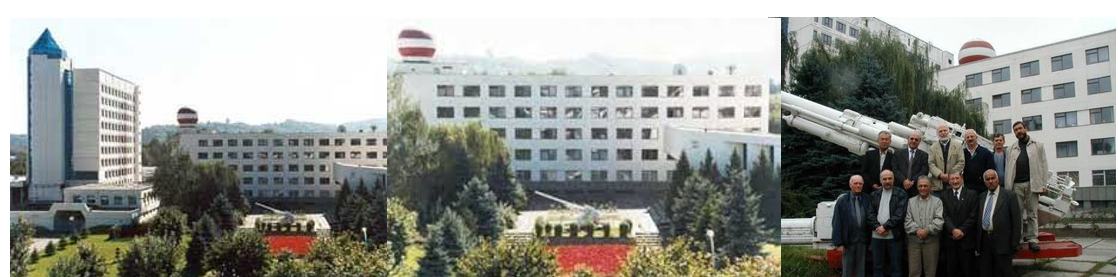
After the successful demonstration of the method, Dr. Abshaev and his team have the great merit (since my point of view) of advancing the idea of a new radar for the Soviet Hydro-Meteorological Service, being capable of hail and storms detection, to substitute the MRL-2. Laboriously (I heard) they made the Technical Request Task. That means, they made a very detailed description of what the radar should do. Sounds simple, but I´m sure that was not an easy task. It was full of bureaucratic obstacles and tedious procedures, but they finally got the radar done.
The design
The design of all the circuitry and technical solutions for the MRL-5 was commissioned to the All-Union (now All-Russian) Scientific Investigations Institute on Radioelectronic Apparats (VNIIRA, transliterated acronym from Всесоюзный (Всероссиский) Научно-Исследователский Институт Радиоэлектронной Апаратуры). Before receiving this assignment, VNIIRA had had successfully developed MRL-1 and MRL-2 at the beginning of the sixties.
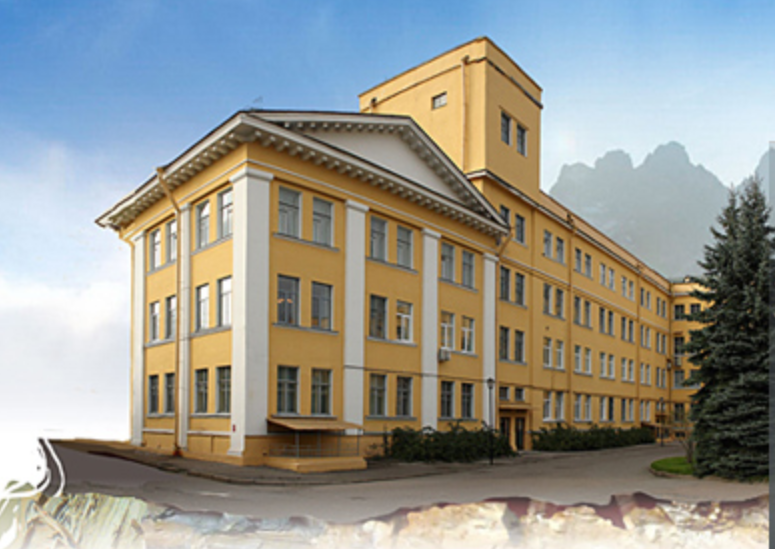
VNIIRA was created in 1946, in the city of Leningrad (now renamed as Saint Petersburg). VNIIRA has been developing and manufacturing ground-based and airborne equipment for Air Traffic Management for more than 65 years. In the nineties, after the Soviet Union dissolution, VNIIRA was converted into a manufacturing enterprise re-named VNIIRA S.A. After MRL-5, they produced a modernized and Doppler version of MRL-5, named MRL-5AD (Analog Doppler). After it, they developed MRL-8, which was never introduced on service. Recently they developed and constructed MRL-700C, a C band modern radar, not yet on duty. Well, dear reader, as I usually do, I deviate from my main purpose of speaking about MRL-5.
The manufacturing
The manufacturing of MRL-5 radars was ordered (as it happened with MRL-1 and MRL-2) to Electromash Factory (Завод Электромаш in Russian).
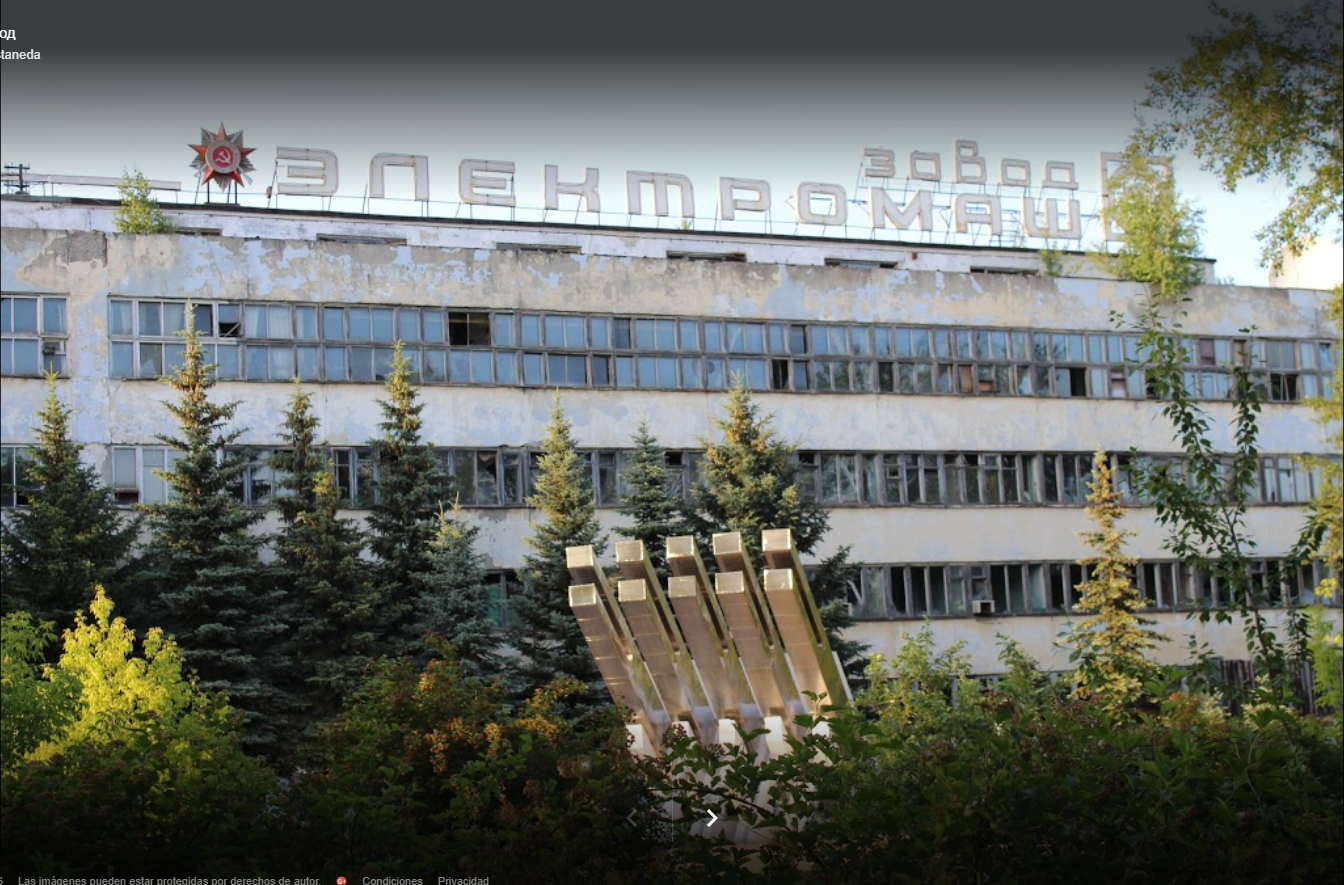
Electromash Plant was created in 1942 for the manufacturing of military equipment in the city of Gorki (now renamed Nizhnii Nóvgorod, Нижний Новгород in Russian). They are still proud (see golden monument in front of the building) of having produced parts and material for the famous BM-13 (named Katiushas by the Soviet people and Stalin-Organ by the Nazi Army), the mobile multiple rocket launcher which played a great role in the victory of the Soviet Union against the Nazi Horde in World War II.
Well, Electromash Factory produced 181 units of MRL-1 radars and 242 units of MRL-2 radars. By the way, the second ever produced MRL-2 was sent to Cuba in 1968, where it had a very long life, being on duty even after the 2000 year.
In 1972, MRL-5 radar was ready to begin serially produced, but…rumor it says (don´t believe me, it was just something I heard somewhere), that MRL-5 could not be released to civilians because they used a military secret part (the dual wavelength rotary joint). Rumor it says that Main Constructor Grigori F. Shevelá, took it out without permission from up, and when he already was in a hotel nearby the factory, he called his superiors and said—the rotary joint is already outside! now sued me or let me release MRL-5 for civilians. The result, I hope, is clear for my readers. In fact, I consider dual-wavelength rotary joint as a piece of art, so I understand why military were reluctant to release it.
Serial production began in 1975, Electromash Plant manufactured 307 units of MRL-5 radars: 240 of them were deployed inside the ex-Soviet Union Republics. The others (67) were sent to 15 countries all over the world: Czech-Slovakian Republic (7), Hungary (9), German Democratic Republic (6), Romania (7), Poland (1), Bulgaria (11), Yugoslavia (3), Finland (4), Vietnam (2), Mozambique (2), Ethiopia (1), South Africa (2), Cuba (4), Brazil (2) and Argentina (6).
3. MRL-5: pros and cons
After working for more than 37 years with MRL-5 radars, after visiting several other radars in the world (United States, Canada, Italy, Great Britain, Germany, Russia, Venezuela, Guatemala, Honduras, Colombia and Nicaragua), and even after studying documentation of radars from several different vendors (Mitsubishi, EEC, SELEX-Gematronik, RadTec Engineering, Ericsson, Sigmet, Gamic, Electromash and some other home-made radars), I think I can give a well-balanced opinion about MRL-5 radar.
The pros
Remarkably, for the time it was ready to be released (1972), MRL-5 used, in my modest opinion, some very advanced techniques. To be ready in 1972, knowing the rigorous Soviet protocols, MRL-5 was probably designed before 1965. Well, my points are:
- MRL-5 exhibits the unprecedented and innovative use of simultaneous S and X bands, using the same antenna, allowing identical 1.5° main beams for both wavelengths (using collocated reflectors. To get that, it was necessary to design dual-wavelength rotatory joints and dual-wavelength feed horn among some other technical solutions. X-band radiation was vertically polarized, and S-band, horizontally. Even though main beams from both wavelengths were almost equals, side lobes, unfortunately were not.
- MRL-5 uses very powerful magnetron based transmitters (850 kW for S band and 210 kW for X band). MRL-5 transmitters employ the so-called thyristor-thyratron modulator, the essence of which is the reduction of the time the accumulator is under high voltage, down to the minimum needed to get enough energy to the correct pulse formation of the magnetron. That means that the accumulator (Pulse Forming Network) most the time was not under high voltage, unlike the other radars, in which Pulse Forming Network is under high voltage all the time. That made transmitters very efficient since the wasted-energy point of view. MRL-5 Pulse Forming Network does not need to be in oil to get good isolation.
- All power supplies used in the MRL-5 radar were switching type, like we use nowadays in all equipment of modern life. In fact, I still use some of old MRL-5 power supplies (schematics and physical circuits) to teach my courses of Power Electronics at the University of Camagüey. In MRL-5, you could find all the possible types of switching power supplies in use today. One must be said: the designers and constructors got very good performances with not very good components (transistors which were available at the end of the sixties were not good), so that was a great merit of VNIIRA designers and Electromash constructors.
- To read antenna position in both axis (azimuth and elevation), MRL-5 radar used digital 13-bit encoders as modern radars began to use … only late in the nineties. That gave the radar unique accuracy in antenna positioning on both axis.
- I also like very much the so-called Coordinate Calculator. It was a hardwired engine, able to calculate horizontal range and height for any selected point between ranges of 0 to 100 km. The engine received as input: inclined range (distance selected by a marker point at the interested echo) and elevation angle. The result of calculations was showed on the side numerical screen of Operating Console. Yes, this was an old-fashioned circuit using TTL gates of low level of integration (as the whole radar used), but…it was very original for the time this radar was designed (middle of the sixties). This feature was very important to precisely detect hail focuses.
- When I finally understood it, I liked it very much, the circuitry to make programmed antenna motion using the (old-fashioned even for that time) amplidyne motor drive. It was very original idea and very good and sober technical solution.
- MRL-5 used big (45 cm diameter) indicators in the operating console uncommon for the radars at that time. That was very good, better than any other contemporary radar.
- MRL-5 used only three valves (electronic tubes): magnetron and thyratron used in transmitters and gas dischargers used in antenna TR/ATR commutator.
- Circuit for Automatic Frequency Control was bizarrely simple. It used a phantastron made with one FET, working equally well in Tracking as well as in yielding modes. Of course, Doppler needs something better, but for that time, it was quite good. Later on, Factory developed another one, even better in the following mode.
- IF amplifier with logarithmic detection was the best of its class I ever met (75 dB dynamic range). They were very stable. People from Central Aerological Observatory boasted about their own (supposedly exhibiting 80 dB dynamic range). I tested both and in my modest opinion MRL-5´s was better.
- Antenna mechanical gears are very good. They are very stable, and need almost no maintenance. I think they will be on duty there forever.
The cons
Let me talk a little about what I disliked from MRL-5.
- From MRL-5 I didn´t like the distribution of control and visualizations devices and organs around the main indicator. I think it was inefficiently since the ergonomically point of view of a person operating radar. I think that was a result of using the legacy MRL-2 console (modified), instead of designing a new one with MRL-5 facilities in mind. Notice in accompanying pictures that a sitting person is unable to read mirror-scale instruments (which precision depends on the human eye looking straight in front of it), because they are located high in the central panel. In general, knobs and other organs were out of what ergonomically a human operator could reach.
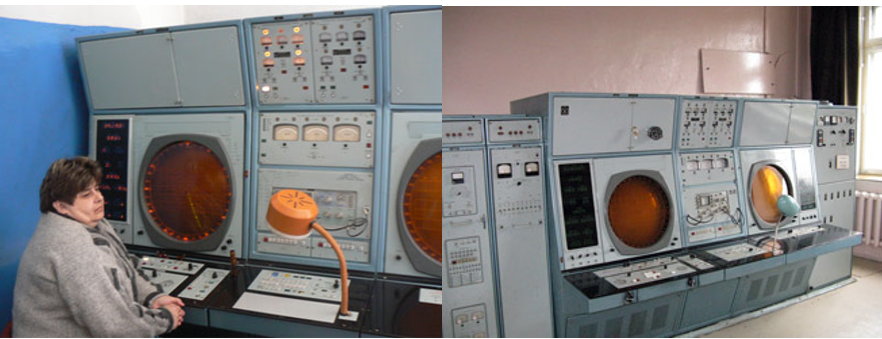
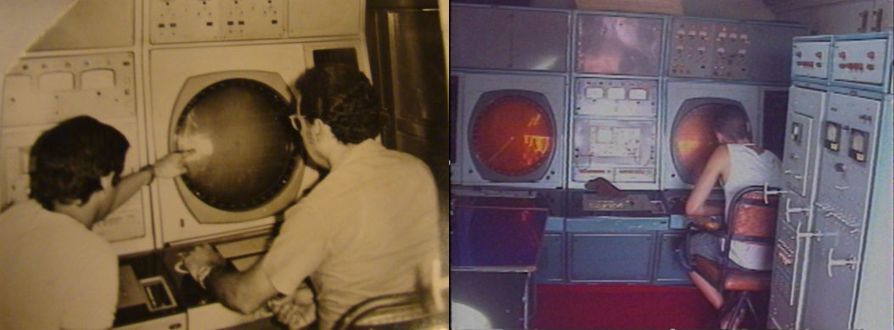
- MRL-5 had two identical indicators, one for operation, the other for photographing purposes. Again, in my opinion, there was no need in making them identical. I think the idea came from MRL-2, which had two indicators, one for PPI scope, the other for RHI scope. Photo indicator could be made little in diameter, with the accompanying information optimized for the picture around the indicator (I have in mind the photo indicators I had in the old ARS-3 radar), that could allow the photo camera to be smaller and closer to the indicator.
- On the other hand, since my point of view operating indicator could be with control organs ergonomically distributed near the hands of the operator, and visualization organs at the height of the eyes of the operator.
- From the MRL-5, I also didn´t like the use of amplidynes as motors drivers, because at the time the radar was ready to be released (1972), there were already enough models of thyristor-based converters not only in other countries, but also in the Soviet Union. In fact, MRL-5 transmitter uses a thyristor-based controller for powering transmitter with DC. Amplidynes were very heavy, bulky and noisy (for humans, and for circuits) and they originated many failures in the radars, so they were not among my favorite parts of MRL-5. Again, this is an issue of Old History, we dumped amplidynes in 1997.
- In “my” first MRL-5 there were two types of IF amplifiers: the logarithmic (about which I was proud), and a linear. Linear was intended only for the measurement of IF sample of Noise Generator introduced at RF stage, that measurement was used just to stabilize automatically the gain of the whole receiving track. But it got exactly the opposite: the receiving chine was permanently unstable. I took it off. In the other three radars, factory did not include it.
- Documentation of MRL-5 is something very difficult to deal with. I hardly taught my disciples how to work with it. To follow a signal from a card in one rack, to a card in another rack it´s just an amazing adventure. There was a need in very long tables to follow the destination of a signal. I used to say that MRL-5 interconnection diagrams are made in a “matrioshka” style.
4. History of MRL-5 radars in Cuba
Let me continue with the history of MRL-5 radars in Cuba.
As my reader already knows, the first MRL-5 was “given as a gift” to me. It was installed in the Meteorological Center of Camagüey in 1981, because Camagüey was the base of the flight operations for cloud seeding experiments in Cuba. In fact, the first MRL-5 was mounted firstly in Havana, to demonstrate militaries that it won´t interfere to their radars, then, it was remounted in Camagüey.
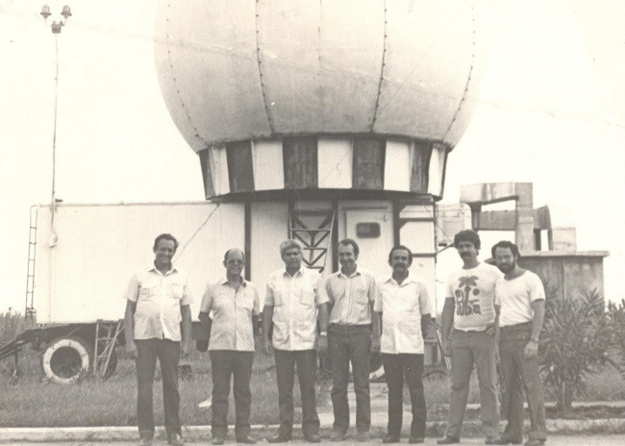
In 1982, Cuban Institute of Meteorology bought two others MRL-5 radars. Regrettably, their deployment was delayed until 1987 (Loma del Mamey in Pilón) and 1989 (Loma de la Cuca in Pico San Juan), respectively. Both are in the top of high (for Cuba) mountains.
In the meantime, before the two commissioned radars were installed, SCJL deployed another MRL-5, in 1986, in Havana. It was intended for the use in cloud seeding experiments. That new MRL-5 was installed in the main building of Cuban Meteorological Institute Headquarter in Casa Blanca, Havana. Seems to be, that Havana´s radar was originally predestined to Vietnam, and in the last minute it was deviated to Cuba. I say so, because some labels in the radar remained written in Vietnamese.
5. Performance in Cuba
Nowadays, the four MRL-5 (after many modifications) are still working pretty stable.
At the beginnings, Camagüey radar had many troubles with power supply. It was intended to work with 3-phase 380 V, 50 Hz power line. In Cuba, it was forced to work with a 3 phase 220 V, 60 Hz, UNSTABLE power line with eventual huge voltage peaks. Besides, the radar was not well protected against atmospheric strikes. Humidity and temperature caused many failures in the first years of exploitation. Maybe because the radar was mounted in a mobile container, and suffered the vibrations originated by antenna motion, there were many failures of “false contact” type. That type of failures was not common in the other three MRL-5. Notwithstanding, Camagüey MRL-5 radar played a great role in precipitation enhancement program between 1982 and 1991. Besides, it also has played a very important role in storm detection. Camagüey radar is the flag-radar in technological innovation in Cuba.
Pilon and Pico San Juan radars suffered the action of temperature and humidity being in storage for several years (they were in Cuba since 1982). Even more, one of them suffered some vandalization. Before mounting them, Cuba had to request Soviet experts for a diagnose. I never knew from which institution they came, I believe they were from Electromash Factory. As the result of the diagnose, several parts of those radars had to be replaced before they were installed. Nevertheless, they had a bumpy start with many frequent failures. I never understood why, if we paid for a diagnose and paid for the damaged parts, there were troubles anyway.
Havana´s radar was always the best in performance.
In general, after modernization process (which extended from 1997 to 2006) MRL-5 radars became very stable.
6. How I became a MRL-5 radar expert
In my first two years, I was trained by engineer Roman P. Tychina, who was the permanent assessor of SCJL in charge of ARS-3 modernization, and later, in charge of MRL-5 radar. Tychina was not only an exceptional engineer, he was also a patient trainer to me. After him I became a radar engineer in my second “marriage” (remember I was firstly a railroad engineer). Vilory P. Kratchenko substituted Tychina. Kratchenko was an exceptional engineer too, but he was not as kind as Tychina with respect to my training. My speech of being “a railroad engineer” was no longer valid to him. Kravtchenko said to me – Tychina told me you know everything about MRL-5 radar, you are a well-trained engineer, so behave like that and don´t be shy! So, my hope of extending the good times of still being student vanished. I began to repair and to do complex tasks by myself under Kratchenko supervision. Kravtchenko was a great motivator: after my best repair-soldering works he usually commented – your soldering makes me vomit! Yes, it was a great time of training with Kravtchenko, I learned a lot, he explained a little, and forced me to find explanations by myself. He was a severe trainer.
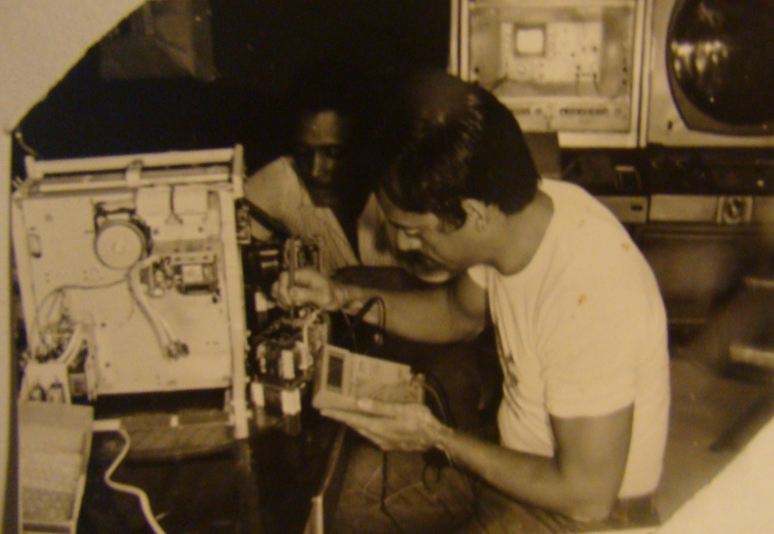
Let me say in my favour, that at the end of Kravtchenko´s stay in Cuba I became so skilled that he couldn´t differentiate my soldering works from the original manufacturer´s. Kravtchenko introduced me to signal processing in weather radars. I became so passionate with this, that I wrote my own doctor dissertation thesis based on this subject…many years afterwards. After Kravtchenko, it came to Cuba a couple of assessors: the brilliant radar engineer Vladimir Kazakov, as permanent radar expert, together with Dr. Boris P. Koloskov, physic, expert in radar data processing. Koloskov played a great role in my understanding of radar data processing. Many years before, Koloskov had worked in the Precipitation Enhancement International Project in Spain together with the Canadians. Many years afterwards, I went to Canada, where I met Alamelu Kilambi, the programmer at McGill Radar Observatory, she still remembered the young Koloskov.
Well, Koloskov and Kazakov were the last assessors. Collaboration ended abruptly in 1991 with the dissolution of the Soviet Union.
To all the four I´m very grateful, I became a very skilled engineer under their direction. Everything I did after them, I did, inspired and based on what I learned with them.
7. Training in Nalchik
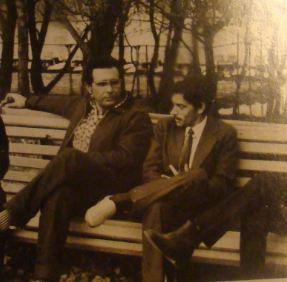
In 1985, being already an expert radar engineer, I had another great opportunity in my life. I went to a training with Professor Magomed T. Abshaev and his team of engineers, for 4 months, in Nalchik, at High Mountain Geophysical Institute. Among the trainers, there was Dr. Lev G. Kaplan, who, before teaching in Nalchik, worked at VNIIRA, as chief designer of MRL-5 transmitters, so again, it was another unique opportunity of getting in touch with the insides of MRL-5 design process. I learned not only how the radar was done, and why the circuits were designed that way, I also learned why they were not designed in any other way. Besides, Kaplan propelled even further my interest in signal processing. Another important person was Dr. Yuri F. Kuznetsov, the engineer who oversaw the making of MRL-5 Technical Request Task, he knew everything about measuring radar parameters, and of course, about MRL-5 measurements. The young programmer Kapitannikov explained many insides of the software they were developing at that time.
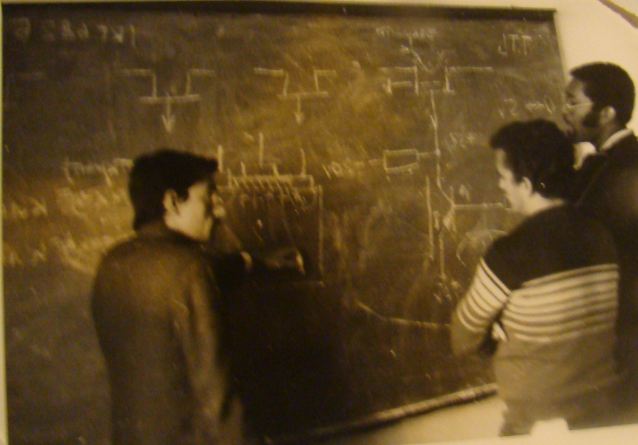
Patiently, all of them answered my endless questions about everything in MRL-5, and everything in general. I think I learned MRL-5 down to the nitty-gritty. Again, I want to mention that it was a dream opportunity. Talks with Professor Abshaev and his team were priceless. I´m very grateful to all of them.
8. Legacy
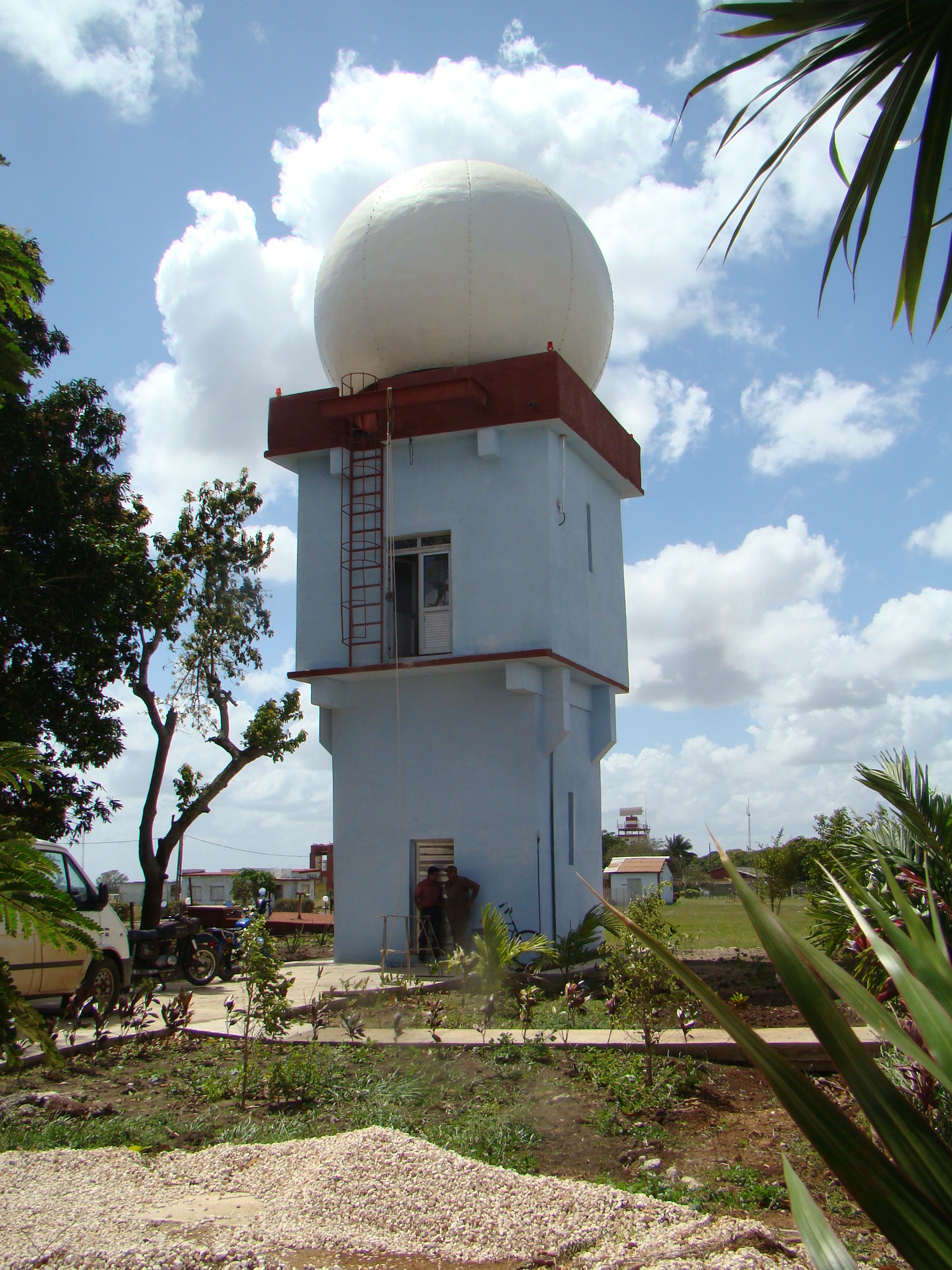
With the years, we made many changes in MRL-5. In 1997, we installed in Loma de la Mula a new MRL-5 being capable of full unmanned and remote operation (without operating console), also with automatic signal and data processing and a new antenna control device (without amplidynes). In 2012, we converted that MRL-5 into another radar, introducing Doppler processing, and redesigning transmitter and receivers.


Deja una respuesta