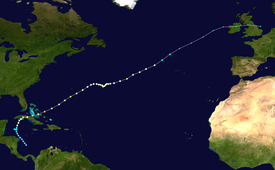
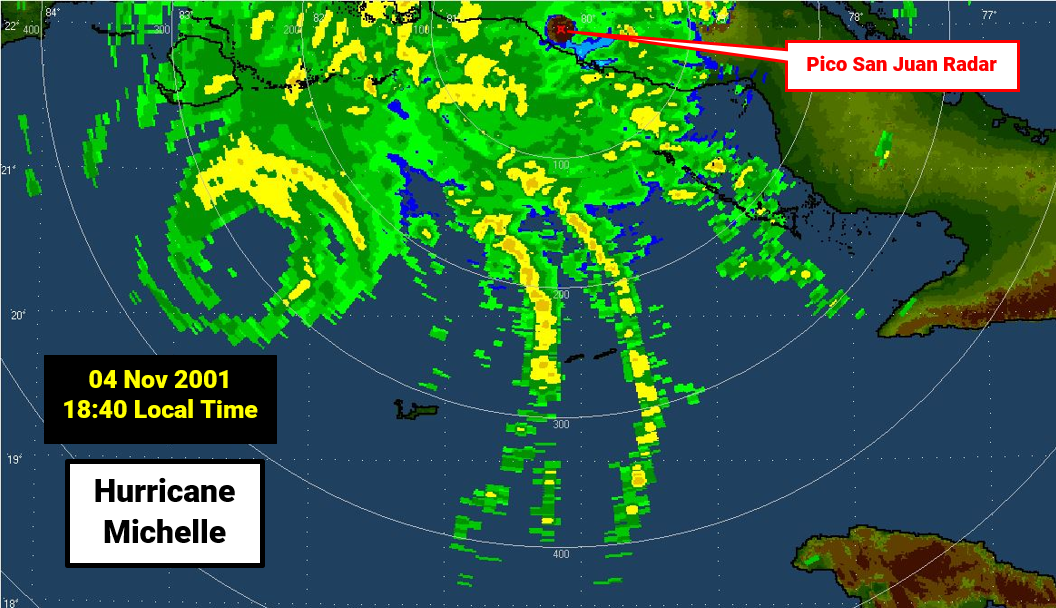
In 1996 hurricane Lili caused big losses in the central region of Cuba. Provinces of Cienfuegos, Sancti Spiritus and Villa Clara were severely affected. MRL-5 radar at Pico San Juan worked well all the time the hurricane passed, but it lost radio and telephone communication with the rest of Cuban Meteorological Institute.
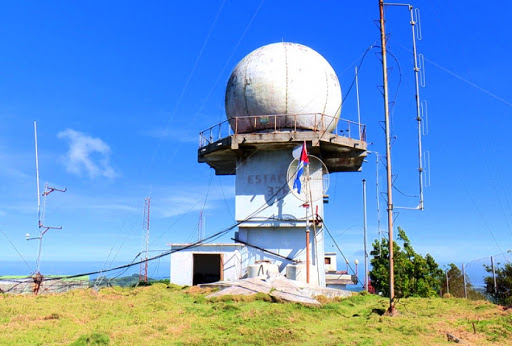
A new 1-million-USD project for empowering Meteorology at central provinces started. Among many other actions, 30 thousand US dollars were designated for the modernization of Pico San Juan radar.
Activities for modernizing MRL-5 radar were commissioned to the Technical Development Laboratory (LADETEC, acronym by its name in Spanish: Laboratorio de Desarrollo Técnico) of Camagüey after their successful implementation of MRL-5 modernization in Camagüey radar in 1997.
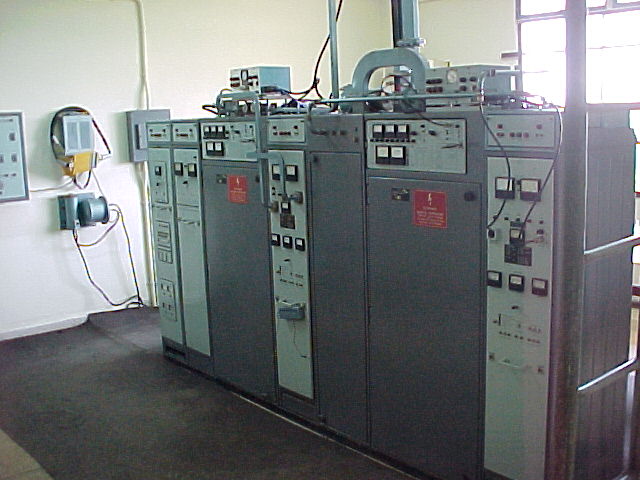
There was a problem: Camagüey solution was not reproducible, because interface cards were wired without printed circuits and the component inventory was reduced to that available at Camagüey, mostly remnants of Soviet collaboration during 1981-1991. Camagüey solution was just a proof-of-concept (nevertheless, it worked pretty well for 8 years).
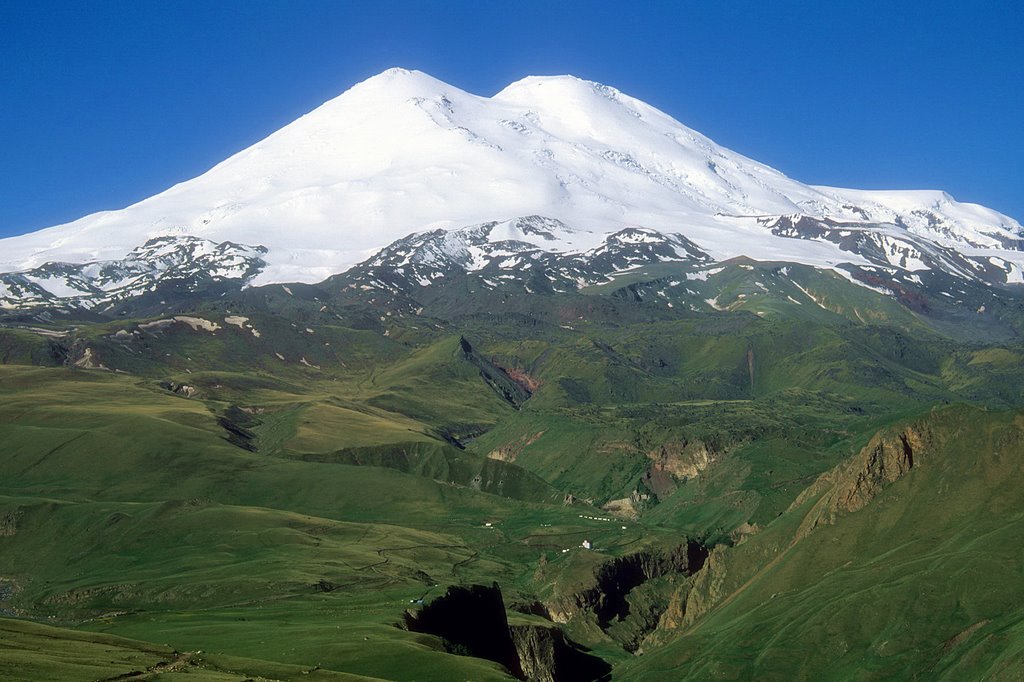
A new solution was needed to extend it to all MRL-5 in Cuba. The project launched with that purpose received the coded name “ELBRUS”. Mount Elbrus is the highest peak in Europe at an altitude of 5 642 m, in the North Caucasus, Kabardino-Balkaria Republic, now part of Russian Federation, and before belonging to the Soviet Union.
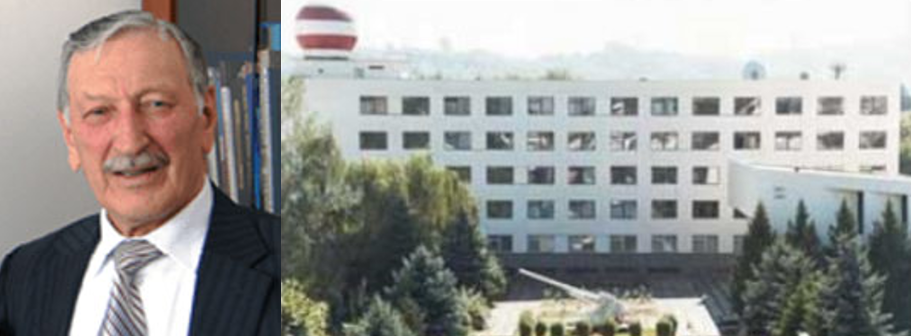
With this coded name (ELBRUS), LADETEC wanted to honor the Anti-Grad Center of High Mountain Geophysical Institute together with Dr. Magomed T. Abshaev and his team, creator of MRL-5 radar. In 1985, Dr. Abshaev trained in Nalchik a group of Cuban engineers and meteorologists.
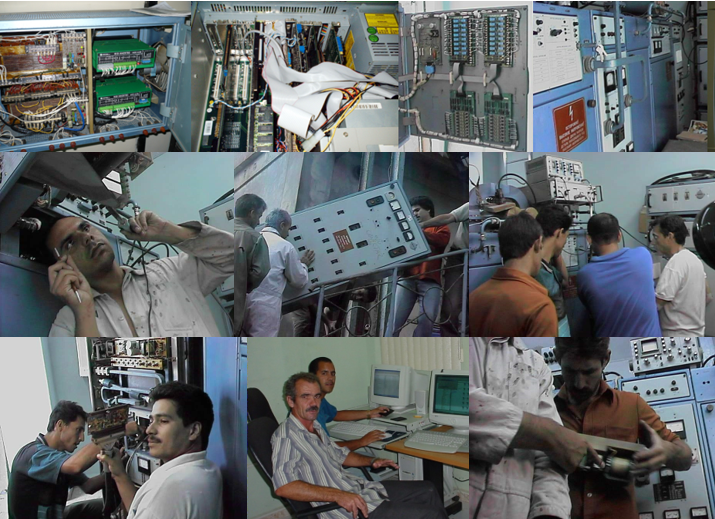
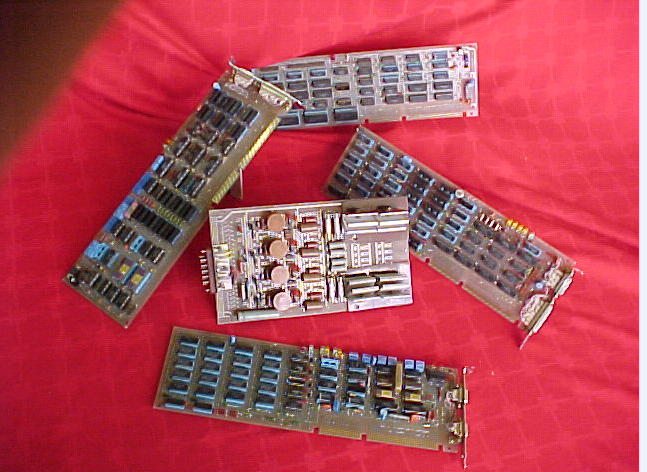
The equipment and software developed for Pico San Juan radar under ELBRUS project, became the prototype for modernizing Soviet MRL-5 radars in Cuba. Instead of home-made cards, LADETEC engineers decided to use interface ISA cards widely employed in Industry, together with an Industrial Computer (instead of a conventional desktop PC used in the first MRL-5M in Camagüey).
Home-made electronic device for governing DC motors for Camagüey radar in 1997, was changed to an industrial DC-DC controlled converter. Instead of aged original MRL-5 encoders used in Camagüey, LADETEC acquired new 12-bit industrial encoders.
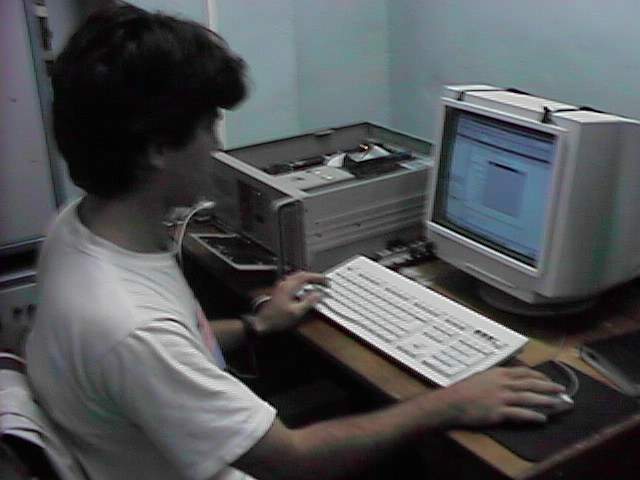
VESTA|Acquire (intended for radar control and data acquisition in 1997) was a Windows-95 desktop application used in Camagüey project (1997). For Pico San Juan prototype, the software was re-built under Windows-NT and received the name VESTA|RDA, which was written as a client-server application. In 2000 (when ELBRUS project finished), Pico San Juan was not yet connected by means of digital lines with the rest of the world (INSMET private data network didn´t appear until 2006), notwithstanding, when Pico San Juan radar was firt connect by means of digital lines in 2006, VESTA|RDA proved itself to be a very reliable and robust application. VESTA|RDA is still in use at the time this post is released (august, 2022).
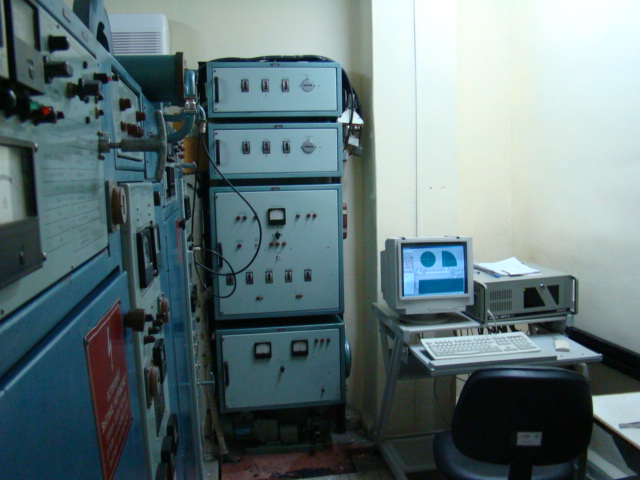
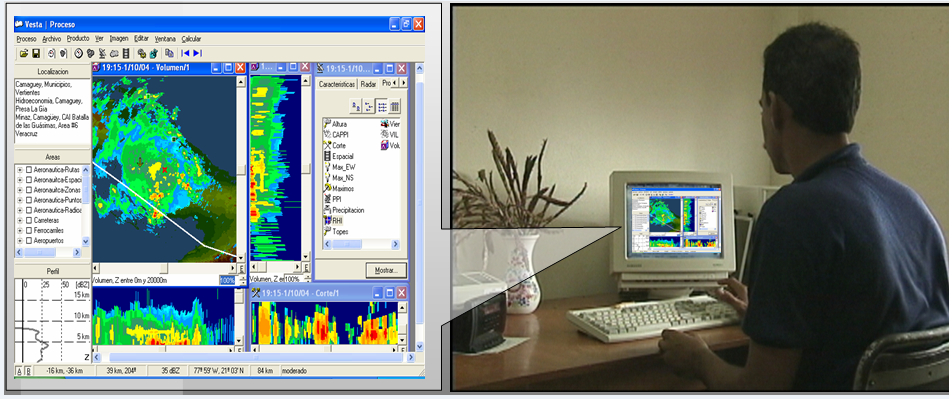
VESTA|RDA was conceived for multiple clients running remotely, from any computer connected in LAN or WAN. VESTA|Process continued to be in use to generate products and images, not only at the radars, but also at all Meteorological Provincial Centers.
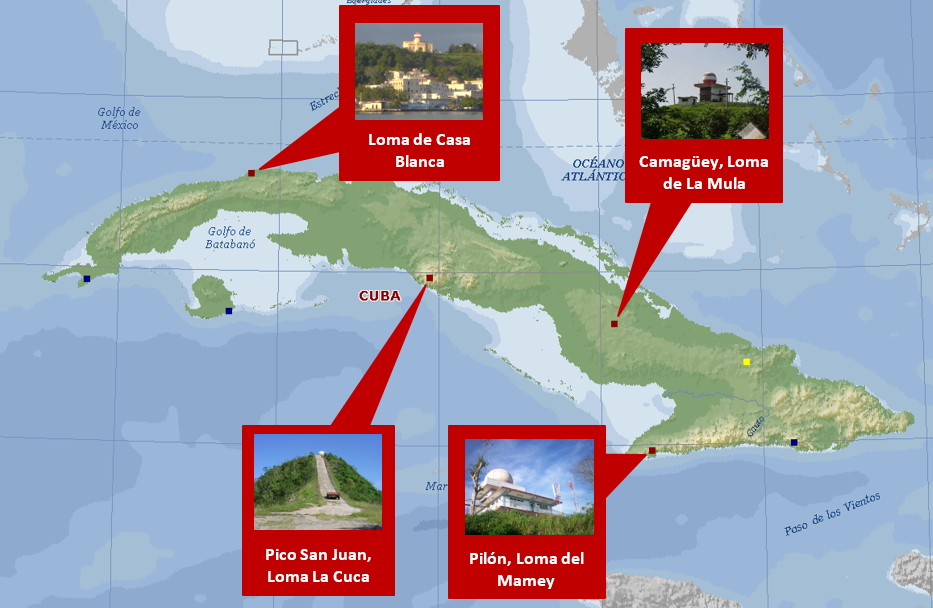
ELBRUS prototype, after tested in Pico San Juan radar, was successfully reproduced and implemented: in Casa Blanca radar in 2001, in Camagüey radar in 2005 and finally in Pilon radar in 2006. After ELBRUS project, MRL-5M radars reduced power consumption from the original 20 kW to less than 2 kW.
Deja una respuesta